
Offshore gaming operators have become a significant part of the online gambling landscape, appealing to both players seeking diverse gaming experiences and entrepreneurs looking to capitalize on the growing popularity of online casinos. This offshore gaming operators phenomenon is fueled by various factors, including regulations, taxation, and the pursuit of accessible gambling options. In this article, we will delve into the opportunities and challenges associated with offshore gaming operations, providing a comprehensive overview of this dynamic industry.
The Rise of Offshore Gaming Operators
The advent of the internet has transformed the gambling sector, allowing players to access a wide range of games from the comfort of their homes. As traditional gambling regulations have lagged behind technological advancement, many operators have turned to offshore jurisdictions to establish their businesses. These jurisdictions typically offer favorable regulatory environments, lower taxes, and fewer restrictions than many domestic markets.
Why Choose Offshore Jurisdictions?
Offshore gaming operators often select jurisdictions such as Malta, Gibraltar, or Curacao due to several benefits:
- Tax Benefits: Many offshore jurisdictions offer attractive tax rates, which can significantly reduce operational costs for gaming operators. This allows them to offer better odds and promotions to their players.
- Regulatory Flexibility: Offshore regulators tend to be more lenient when it comes to certain gaming activities, allowing operators to offer a wider range of games and services without facing stringent compliance hurdles.
- Access to a Global Market: Establishing a presence in an offshore jurisdiction can help operators tap into international markets, reaching a broader audience compared to their domestic competitors.
Types of Offshore Gaming Operators
Offshore gaming operators can be categorized into several types depending on their business models and the services they provide:
- Online Casinos: These platforms offer a variety of games, including slots, table games, and live dealer options, usually powered by software providers.
- Sportsbooks: Sports betting operators allow users to place bets on various sports events, often featuring live betting options during games.
- Poker Rooms: These sites specialize in poker games, offering a range of formats and tournament styles for players.
- Affiliate Programs: Many offshore operators create affiliate programs to promote their services, allowing third-party marketers to earn commissions for referring players.
Challenges Faced by Offshore Gaming Operators
Despite the many advantages, offshore gaming operators also face a unique set of challenges:
Regulatory Scrutiny
As the online gambling industry has grown, so has the scrutiny from governments and regulatory bodies. Many countries have implemented stricter rules regarding cross-border gaming operations, creating complexities for operators wishing to serve players in multiple jurisdictions.
Reputation Management
Operating offshore can sometimes lead to reputational challenges. Players may perceive offshore operators as less trustworthy, especially if they are unfamiliar with the regulatory environment governing those operations. Establishing a reputable brand is crucial for attracting and retaining players.
Payment Processing Issues
Offshore operators often face difficulties with paymen

t processing due to restrictions imposed by financial institutions or payment processors. This can lead to prolonged processing times and potential complications for both operators and players.
Legal Landscape for Offshore Gaming
The legal landscape for offshore gaming operators is complex and constantly evolving. Operators must navigate various international laws and regulations to ensure compliance and minimize legal risks. A few key considerations include:
- Licensing: Obtaining a license from a reputable jurisdiction is essential for establishing legitimacy and trust. Operators must adhere to the regulations set forth by the licensing authority to maintain their license.
- Player Protection: Many jurisdictions require operators to implement responsible gaming measures, ensuring player safety and minimizing the risk of gambling addiction.
- Anti-Money Laundering (AML) Compliance: Offshore gaming operators are often required to follow stringent AML regulations to prevent illegal activities and ensure the integrity of their operations.
The Future of Offshore Gaming Operators
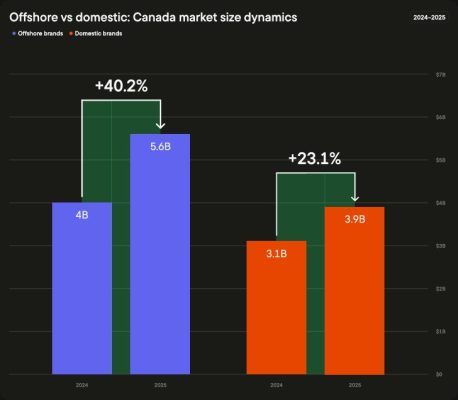
As the online gambling landscape continues to evolve, the role of offshore gaming operators will likely shift as well. With the increasing acceptance and legalization of online gambling in various regions, offshore operators may face more competition from domestic platforms. However, the demand for international gaming experiences will likely remain strong.
Moreover, advancements in technology, such as blockchain and cryptocurrency, may offer new opportunities for offshore operators to enhance security, improve transaction speed, and attract a tech-savvy clientele.
Conclusion
Offshore gaming operators play a significant role in the online gambling industry, providing players with access to diverse gaming options and fostering competition among operators. However, the benefits come with their own set of challenges that require careful navigation of regulatory landscapes, reputation management, and payment processing issues. As the industry continues to evolve, the balance between regulatory compliance and offering appealing gaming experiences will be crucial for the success of offshore operators.