In today’s digital age, mobile browsing has become a pivotal aspect of online experiences. With users increasingly reliant on their smartphones and tablets for everything from shopping to gaming, it is essential for platforms like Casiny mobile browser optimisation Casiny to optimize their mobile browsing capabilities. This article delves into key strategies and considerations for enhancing the mobile browsing experience, boosting user satisfaction, and ensuring that the platform remains competitive in a fast-paced environment.
The Importance of Mobile Browser Optimization
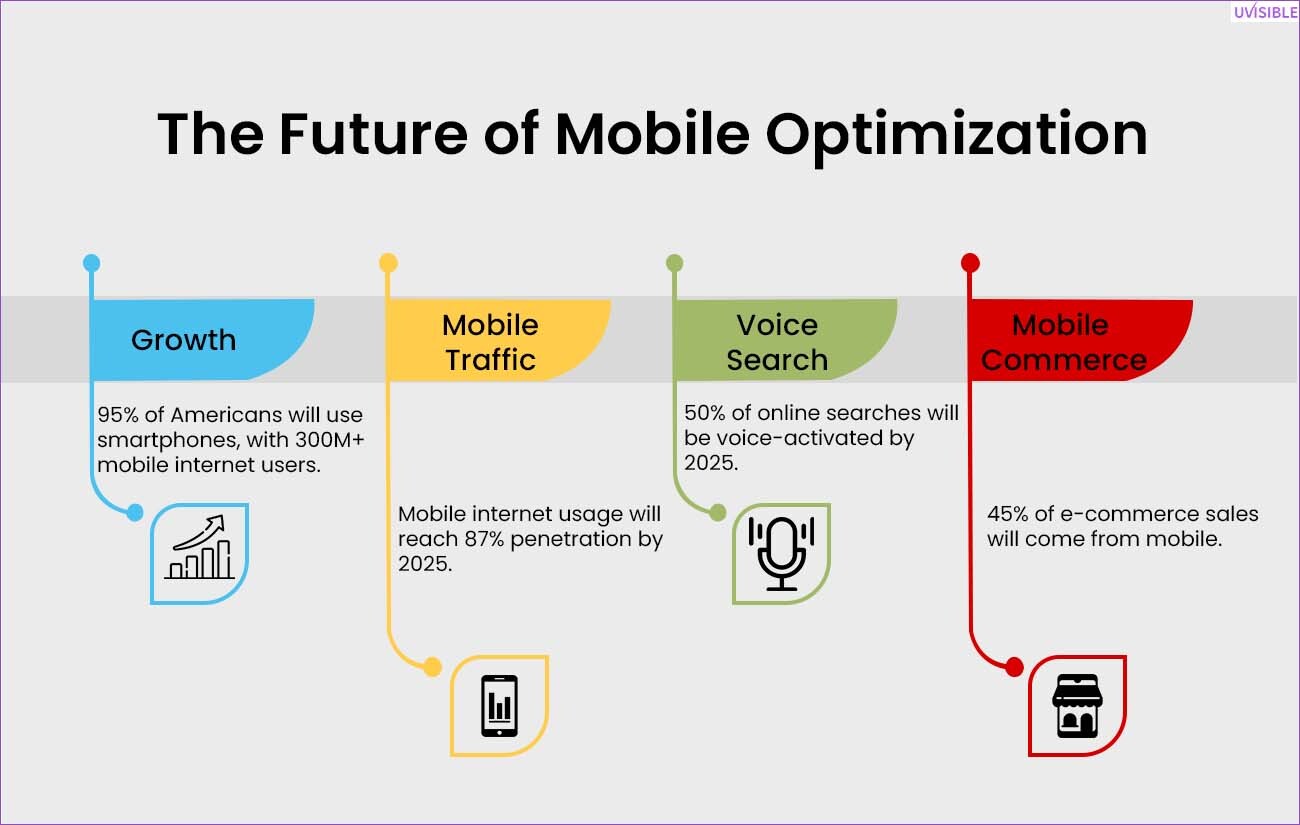
Mobile optimization is crucial for several reasons. First, it significantly affects loading times, which can be a deciding factor in whether users stay on a site or leave. Research indicates that users expect a webpage to load in two seconds or less. Failure to meet this expectation can lead to high bounce rates and lost opportunities. For Casiny, ensuring that users can quickly access gaming content and services is essential for retaining customers.
Understanding Mobile User Behavior
Understanding how users interact with mobile devices is a fundamental aspect of designing an optimized experience. Mobile users often browse with different intentions than desktop users. They may seek quick access to information, making it vital to prioritize essential content. Observing trends in mobile usage can help in tailoring the user interface (UI) and user experience (UX) to better suit these behaviors. Providing intuitive navigation and easy access to popular features can enhance user engagement.
Best Practices for Mobile Optimization
1. **Responsive Design**: Utilizing responsive web design ensures that the website adjusts seamlessly to different screen sizes. This means that whether a user is on a smartphone, tablet, or even a larger device, the content will rearrange and resize appropriately. A responsive design not only improves visual appeal but also enhances usability.
2. **Optimize Images and Graphics**: Large images and graphics can slow down load times significantly on mobile devices. Implementing techniques such as compression, lazy loading, and using appropriate image formats can help minimize load times without sacrificing quality. For Casiny, this means players can access games more quickly, leading to a better overall experience.
3. **Minimize HTTP Requests**: Each element on a webpage (images, scripts, CSS files) generates an HTTP request. Reducing the number of elements or combining files can effectively minimize requests, leading to faster loading times. For mobile browsers, this reduction is particularly important, as slower network connections are more common.
4. **Reduce Redirects**: Every redirect delays page load time. Minimizing redirects helps enhance performance, providing users with faster access to the content they are seeking. A single redirect may not seem significant, but on mobile devices, multiple redirects can compound these delays.
5. **Implement Caching Strategies**: Browser caching can drastically enhance mobile performance by storing frequently accessed resources locally on the device. When a user revisits a site, cached resources can load much more quickly than elements that need to be fetched anew. This is an invaluable strategy for platforms like Casiny, where frequent users may appreciate faster performance during repeat visits.
Enhancing User Experience with UX/UI Design
Mobile users have different needs when it comes to web design. An effective mobile interface should prioritize ease of use and accessibility. Here are some aspects to consider:
1. **Touch-Friendly Navigation**: As users interact via touch rather than a mouse, buttons and interactive elements should be adequately sized and spaced to prevent accidental clicks. Ensuring that menus are easy to navigate on small screens can ultimately improve user experience.
2. **Clear Call-to-Action**: Clear and compelling calls to action are essential for guiding users toward desired outcomes, such as signing up, making purchases, or engaging with specific content. On mobile devices, these CTAs must be prominently displayed and easy to tap.
3. **Content Prioritization**: Given that screen space is limited on mobile devices, it is important to prioritize content effectively. Important elements should be placed at the top, with secondary content following. This keeps the interface uncluttered and helps users find relevant information quickly.
Testing and Continuous Improvement
Mobile optimization is not a one-time effort; it requires continuous monitoring and testing. Using analytics tools to track user behavior and site performance can provide insights into what works and what doesn’t. A/B testing can also be valuable in comparing different design approaches and user flows to determine which options yield better engagement and satisfaction.
Regular updates and optimizations based on user feedback can help keep the mobile experience fresh and efficient. Listening to user suggestions and complaints can lead to impactful changes that directly improve satisfaction rates.
Conclusion
In conclusion, optimizing mobile browsing for platforms like Casiny is paramount to enhancing user satisfaction and engagement. By embracing responsive design, streamlining processes to reduce load times, and continually assessing user interactions, businesses can create a mobile experience that stands out in today’s competitive landscape. The strategies outlined in this article offer a roadmap for any organization looking to improve their mobile browsing experience, ensuring that they remain relevant and user-friendly in an increasingly mobile world.